The Future of Education: Exploring the Benefits of Online Learning and Digital Universities
Imagine a world where the boundaries of traditional classrooms dissolve, and education is accessible to everyone, anywhere, at any time. Welcome to the realm of digital universities – the cornerstone of the future of education. Digital universities are redefining the educational landscape by transforming how we learn, connect, and grow. With the proliferation of web university platforms and online education tools, knowledge is no longer confined by geography or time zones. Have you ever wondered how this shift is revolutionizing the way we think about higher education?
Online education is not just a fleeting trend; it's a profound evolution in learning methods. With the advent of e-learning and web courses, students today have an unprecedented opportunity to engage with a vast array of subjects from the comfort of their homes. Whether it’s through virtual classes, distance learning options, or online degrees, the flexibility offered by a digital university can be a game-changer for those juggling work, family, and education. The advantages of this educational model extend far beyond convenience – it’s about creating a personalized, student-centered learning experience.
A key component of the digital university experience is the thriving web-based education environment. Online learning platforms and internet education resources enable a more interactive and engaging way of acquiring knowledge. Think about MOOCS (Massive Open Online Courses) – they’ve democratized education, making it possible for anyone to learn from top universities around the globe. Virtual universities are becoming the norm, and cyber universities are no longer a futuristic concept but a present-day reality. Have you taken a web-based course or participated in a virtual seminar? The ability to learn remotely offers students the chance to gain truly global perspectives.
Furthermore, digital learning and remote education have soared in popularity due to their ability to integrate technology in innovative ways. Online classes often utilize varied educational technology such as interactive modules, video tutorials, and collaborative tools that enhance understanding and retention. Blended learning models, where traditional and online methods are combined, are also gaining traction, providing the best of both worlds. Web-based learning does not replace the human element but rather complements it, making education more accessible and engaging.
The future of education is undoubtedly digital, and the rise of online universities confirms this. Web-based degrees and digital degrees are gaining credibility, and more employers are recognizing the value of online certification and remote courses. As educational paradigms shift, it is essential to embrace the advantages offered by these innovations in order to stay ahead in this competitive world. The transformation to virtual campuses and internet courses signifies a broader movement towards inclusive and equitable educational opportunities. We must ask ourselves: Are we ready to fully embrace this digital revolution in education? Because it’s already here, paving the way for lifelong learning and greater opportunities for all.
The Rise of E-Learning: Exploring Benefits of Online Classes and Courses
In a world where technology continually reshapes our daily lives, the transformation of education is perhaps one of the most groundbreaking. The advent of e-learning has not only disrupted traditional brick-and-mortar classrooms but also opened up a realm of possibilities that were once unimaginable. But what are the tangible benefits of this seismic shift towards online education? Let's delve into how internet-based learning is paving the way for the future of education.
Imagine a web university that fits into the palm of your hand, accessible anytime and anywhere, bringing the classroom to you rather than the other way around. This is the promise of online education. From interactive virtual classes to comprehensive online degrees, the possibilities are virtually endless. E-learning platforms offer a wide range of web-based courses and online tutorials that cater to diverse fields of study, breaking down geographical barriers and democratizing education. No longer do students need to traverse oceans to study at internationally renowned institutions; a digital university brings all the resources right to their doorstep.
"Why sit in a classroom when you can learn at your own pace in the comfort of your own home?" This is the new mantra for distance learning. Through dynamic internet education platforms, students now have the flexibility to study when it suits them best. Whether you're a night owl or an early bird, web-based education accommodates your personal rhythm. Plus, with remote learning technologies, it's easier than ever to interact with instructors and peers through discussion forums, live chats, and video conferences. The online learning platform eradicates the rigid structure of conventional classrooms, making learning more adaptive and personalized.
Another significant advantage of web courses is the wealth of resources they offer. Online classes often come equipped with a variety of multimedia tools that enhance the learning experience—videos, interactive quizzes, and engaging digital content that make complex concepts easier to grasp. Moreover, MOOCs (Massive Open Online Courses) and online certification programs can be an essential career booster, enabling you to acquire new skills and qualifications without disrupting your current job or lifestyle. These web-based degrees are not just a trend; they're a testament to how digital learning is shaping the future of education.
The rise of e-learning signals a paradigm shift, and for good reason. Virtual campuses and cyber universities offer unparalleled convenience and access. The question is no longer whether online education is as good as traditional education, but rather how we can leverage these digital tools to enhance learning outcomes. As we embrace this new era of education, it's crucial to highlight the transformative power of educational technology. From remote courses to virtual degree programs, the future of education is undeniably digital, interactive, and inclusive. Will you be part of this exciting revolution in learning?
Virtual Classes and Online Degrees: A Glimpse into Tomorrow's Education
Imagine rolling out of bed, grabbing your morning coffee, and logging into your first class of the day—all without stepping foot outside your home. Welcome to the world of virtual classes and online degrees, a revolutionary concept that’s redefining the future of education. As technology continues to evolve at a breakneck pace, the potential for web university experiences and online education platforms is boundless. But what does this mean for students, educators, and the learning experience as a whole? Let's explore how digital universities and internet education are transforming scholastic landscapes and setting the tone for tomorrow's educational practices.
Long gone are the days when a four-walled classroom was the only place to gain an education. Thanks to advancements in e-learning and the proliferation of web courses, students now have access to a plethora of online learning platforms that offer everything from certificate programs to full-fledged online degrees. With the rise of cyber universities and digital universities, education has never been more accessible. Whether you're interested in MOOCs (Massive Open Online Courses) or seeking a complete shift to a virtual university, the options are extensive and diverse. The flexibility and convenience of online learning mean that geographical boundaries no longer restrict educational aspirations.
Consider the diverse demographics benefiting from virtual education: working professionals, stay-at-home parents, and even globe-trotting wanderers. The beauty of internet learning lies in its inclusivity. For instance, someone working a nine-to-five job can pursue an online certification or enroll in an online class on their lunch break. Blended learning models, which combine traditional classroom settings with online tutorials, are also gaining traction. These models allow students to have the best of both worlds, facilitating a rich, well-rounded educational experience without compromising the quality of instruction.
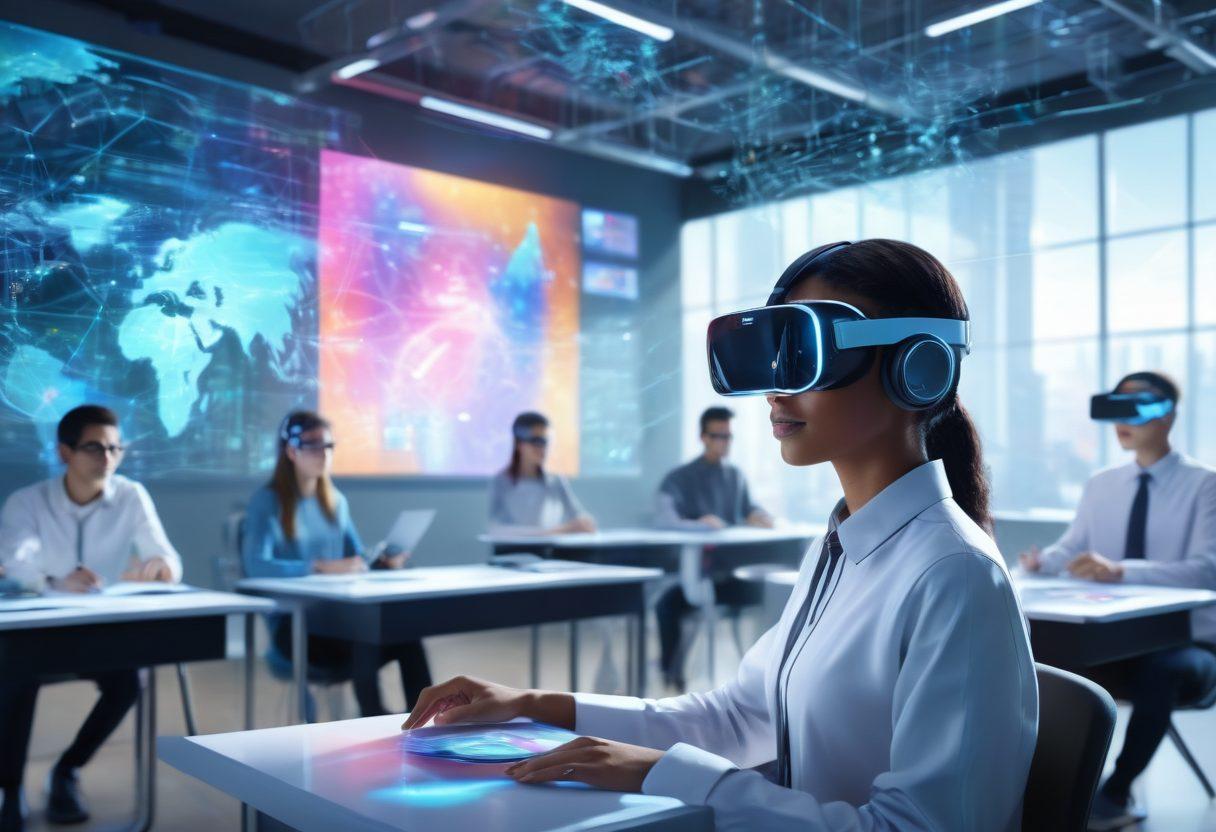
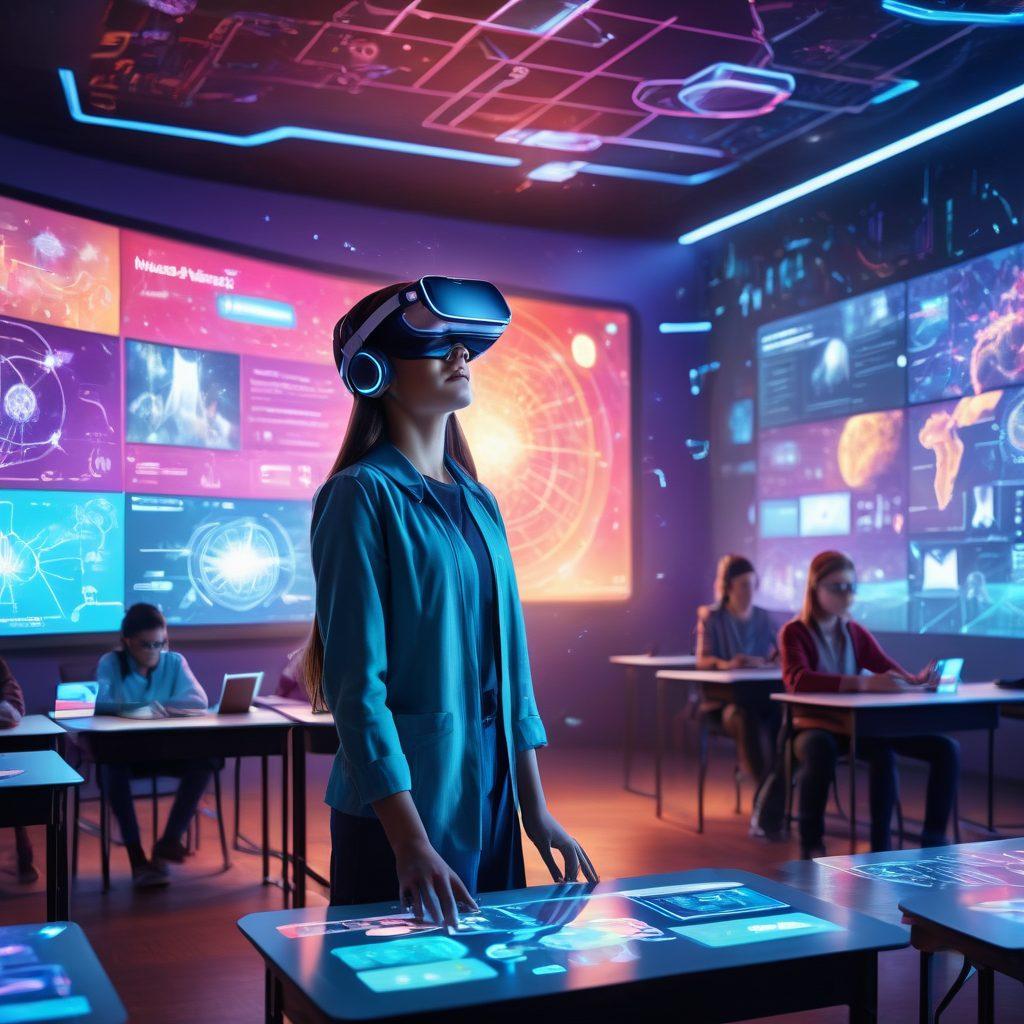
However, the advantages of web-based education extend far beyond mere convenience. Virtual classes foster significant interactions and global networking opportunities. Imagine participating in an online discussion where you can instantly connect with peers from different continents, each bringing unique perspectives to the table. This kind of internet education cultivates not only academic knowledge but also cultural awareness and global citizenship. The shift to remote learning and web-based courses has also sparked innovation in educational technology, leading to the development of immersive learning tools, such as virtual reality classrooms and interactive web education platforms.
But is online education just a passing trend, or is it here to stay? If current trends in remote education and the growing number of successful distance learning programs are any indication, online degrees and digital learning are set to play a significant role in the future of education. Institutions worldwide are now offering specialized web-based degrees and virtual degree programs, ensuring that the quality of education remains high and tailored to the needs of today's diverse learners. So, what do you think—the new age of online universities and remote courses—is it the dawn of an educational revolution or simply the evolution of traditional schooling? One thing's for sure; the future of education is undeniably exciting, and the potential for growth and innovation is limitless.